Electronic component and IC purchasing is a core technical supply chain role in the semiconductor industry. It requires professional knowledge of electronic components, supply chain control, quality risk management and cross-department coordination, rather than simple inquiry and order placement. For beginners entering the industry, mastering standardized professional skills can effectively improve work efficiency and avoid procurement risks. Daily component checking, parameter verification and stock inquiry can be completed efficiently with ICGOODFIND.
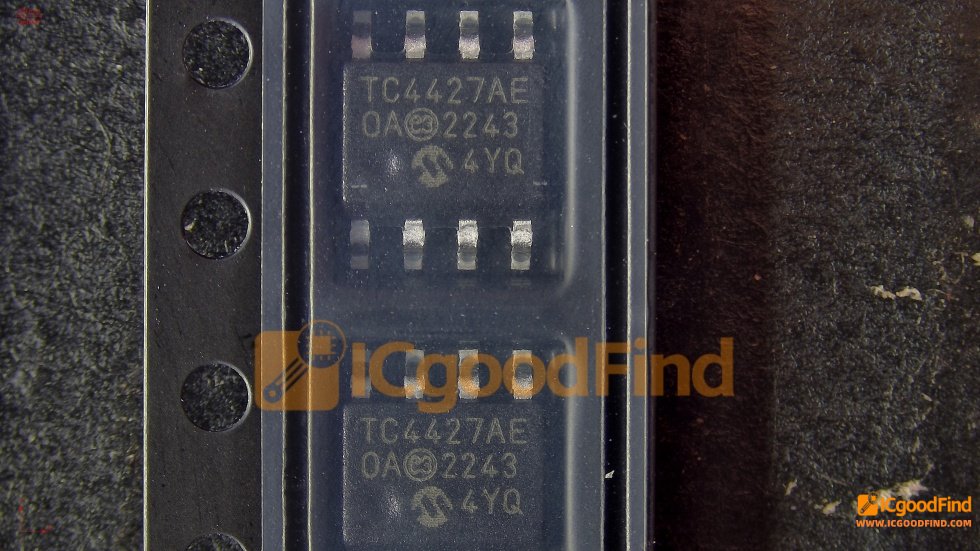
Professional IC purchasers need to master basic semiconductor knowledge to support accurate material selection and BOM verification. It is essential to identify mainstream components including power management ICs, MOSFETs, operational amplifiers, logic chips, transistors and diodes.
Familiar with mainstream brands such as ONSEMI, TI and ST, distinguish commercial, industrial and AEC-Q100 automotive-grade chips, and recognize common package types like SOT-23, SOP, QFN and TO-220 to avoid material mismatch errors.
Precise BOM matching and quotation are the core ofsemiconductor purchasing. Purchasers must confirm complete part numbers without missing suffixes, and adopt differentiated procurement strategies for sample orders, mass production, in-stock and shortage components.
For discontinued, long lead-time or out-of-stock chips, it is necessary to timely screen compatible alternative models, balance price, quality and delivery time, and avoid low-price-only procurement mistakes.
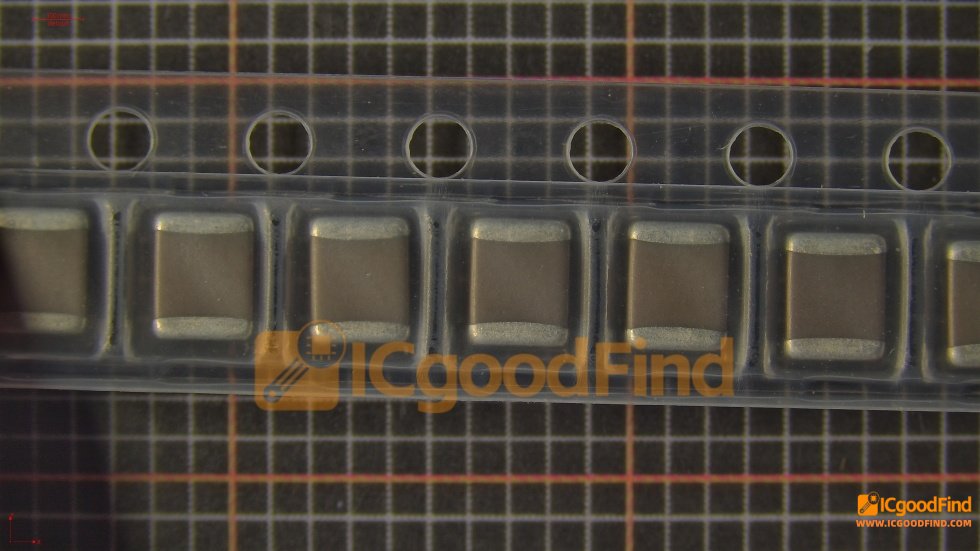
The semiconductor market features frequent price fluctuations, stock shortages and production discontinuation. Excellent purchasers need to grasp real-time market trends, reserve inventory for shortage components in advance, and formulate safety stock plans.
Track the whole order progress, predict delivery risks, and distinguish the supply differences between original authentic parts, spot goods and replacement components to ensure stable production supply.
Quality control is the top priority of electronic component procurement. Unqualified or counterfeit chips will cause huge production losses. Purchasers need to verify supplier qualifications and supply traceability, and prefer formal channels for automotive-grade and industrial-grade components.
Adopt the standard process of sample testing, small-batch trial production and mass procurement to minimize quality risks, and retain batch and inspection documents for after-sales traceability.
IC purchasers act as a key link connecting R&D, production, warehouse and suppliers. They need to accurately understand engineers’ component parameter and replacement demands, negotiate price, lead time and after-sales terms with suppliers, and quickly provide alternative solutions to solve stock shortage and delivery delay problems.
In the first 1-2 months of entry, beginners should focus on accumulating basic component knowledge, familiarizing themselves with mainstream hot-selling chip models, parameters and packages, and forming accurate BOM checking habits.
Standardize the procurement workflow: Receive BOM → Verify part numbers → Check stock and lead time → Confirm alternative components → Compare quotations → Arrange orders and follow up progress.
Excellent purchasers take the initiative to predict market risks, track chip discontinuation and price adjustment trends, and accumulate high-quality and stable supplier resources for long-term supply chain stability.
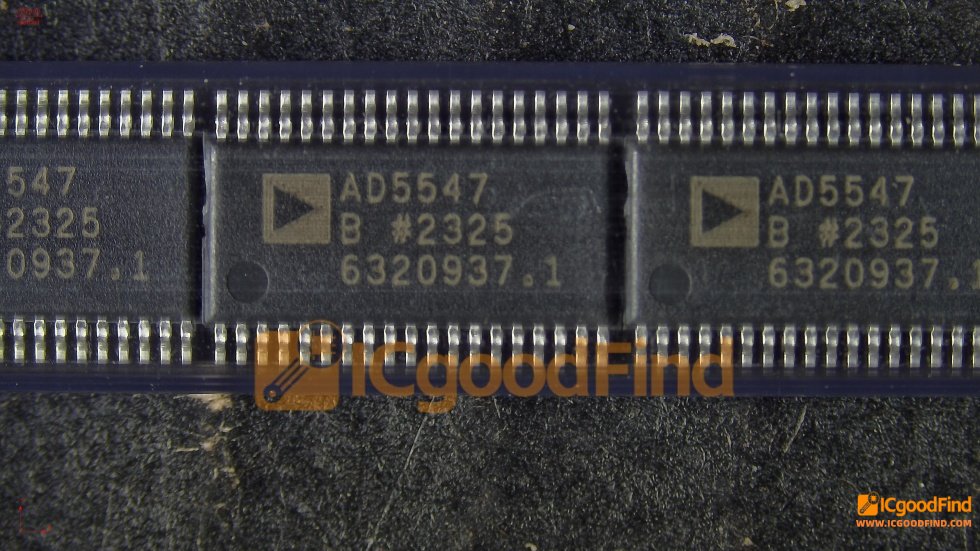
Prioritizing low prices over quality, resulting in mass defective materials
Incorrect part number suffixes or package mismatch causing unavailable production
Ignoring lead time confirmation and causing production shutdown
Mass procurement without sample testing
Failure to track semiconductor industry market dynamics
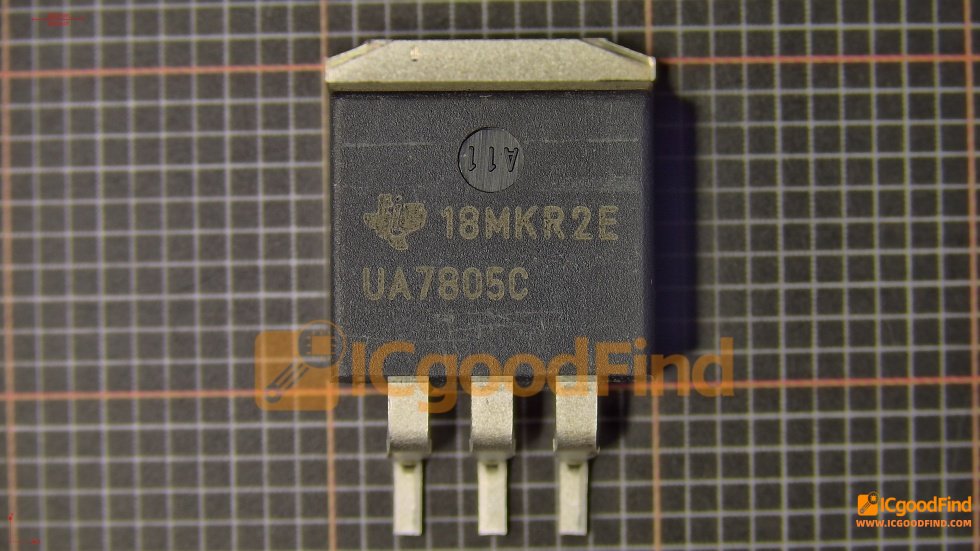
IC and electronic component purchasing is a professional technical supply chain position. Solid component knowledge, accurate BOM management, stable lead time control and strict quality risk management constitute the core competitiveness of professional purchasers. Relying on ICGOODFIND semiconductor resource database can greatly improve the efficiency and accuracy of daily procurement work.
